Author Archives: eliseblalock

Unknown's avatar

About eliseblalock

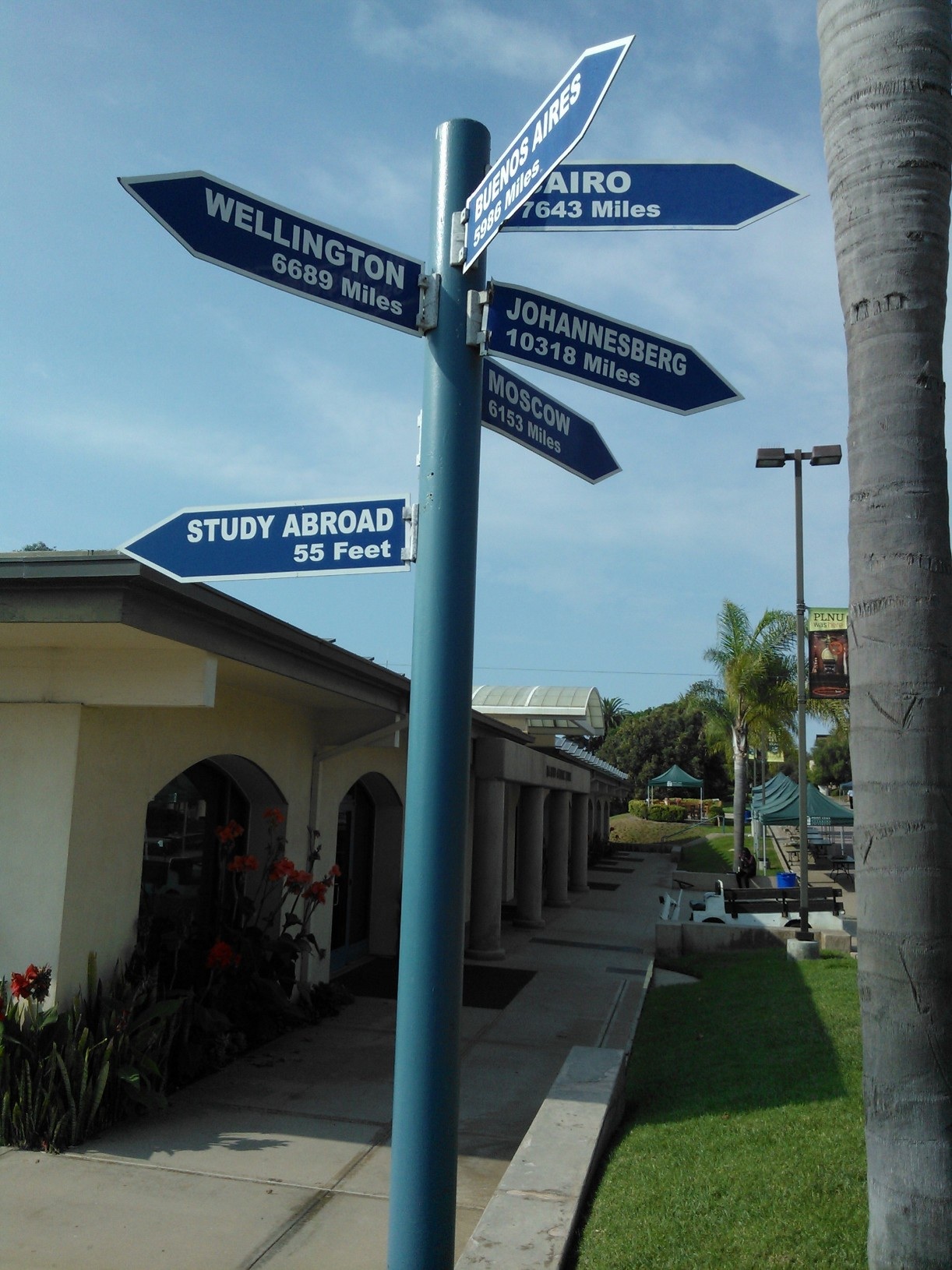
I am 30 years old and live with my husband in San Diego, CA. I'm a study abroad advisor at a small college in town and help students research locations to study internationally. In my spare time I love to travel, read, cook, entertain, spend time with my hubby and friends, and of course blog.

Abroad Blog of the Week: About the Author

Due to technical difficulties in Turkey, I’m having to go a bit off script for this Abroad Blog of the Week. I thought about highlighting a few blogs that I’m following but I would rather just make them an ABOW in the future. So when a friend suggested that I interview myself, I decided to take her advice. If you’re new to Global from Home, I am study abroad advisor who has decided to seek as much international culture as possible within 30 miles of my front door. If you’ve been reading for a while (thank you!), here a few facts I haven’t shared before.

What is the best part of being a study abroad advisor?

I love hanging out with students, hearing their adventures, and listening to them as they figure out their path and plans. There is something about the age bracket of 18 to 22 that I find energizing. Their lives are so dynamic and they have so many options and decisions to make. Plus the students I’ve worked with are incredibly creative and motivated. They amaze me daily and inspire me in so many ways. They are what make me want to go to work every day. Now that I’m currently not working in an office, they are what I miss the most.

If you could do it all over again, would you still have studied abroad in Italy?

Yes! As an Italian Studies major, Italy was really the only thing that made sense. Because I was so focused on the language and I went three times, I felt that I became acquainted with an Italy different from many study abroad students. It wasn’t so much about seeing the Coliseum or visiting the Vatican, but rather living like an Italian that was so important to me. The one thing I would change is that I would have gone for longer. I really wish I had lived in Rome for a full year.

How did you come up with the idea of Global from Home?

This past May I found myself a bit frustrated. I hadn’t been abroad in over three years and in all honesty, I was mad about it. Hubby’s job was really intense so he had little vacation time and because we had moved so much in the past three years, going abroad really wasn’t an option. I finally realized that I needed to stop complaining and look at what was around me. Living in San Diego at the time, international culture abounded. I thought that if I started a blog it would keep me accountable to seeking out culture. The blog has made me more intentional about going to festivals, cooking ethnic food, and building relationships with people from around the globe who just happen to live in my hometown.

Now that you’re in Oklahoma, what are your plans?

That is a bit up in the air but I have some thoughts. I do plan to keep up with Global from Home and continue to explore international cultures from OKC. I’m also applying for the PhD program at the University of Oklahoma in Higher Education with hopes to research the study abroad returnee experience. Currently I’m meeting with study abroad offices in the area to talk about starting a study abroad returnee conference. And finally, I’d like to start a Meet Up for people who enjoy exploring other cultures like I do. But in the end, I’m open to anything that comes my way that will allow me to help students have their own international experience.

What advice would you give someone who wants to be global from home?

Food is probably the easiest way to start being global from home. Google authentic recipes from a country you are interested in and try to make them. Research ethnic restaurants in your area and order the most traditional dish on the menu. Other easy ways to explore culture are to look for cultural festivals. The Greek Festival and Oktoberfest are pretty common ones to start with. If you are a reader, internationalize your reading list and add authors who are from a country you’ve visited. The same applies with movies. The most important thing is to just start and be intentional about adding culture into your weekly routine.

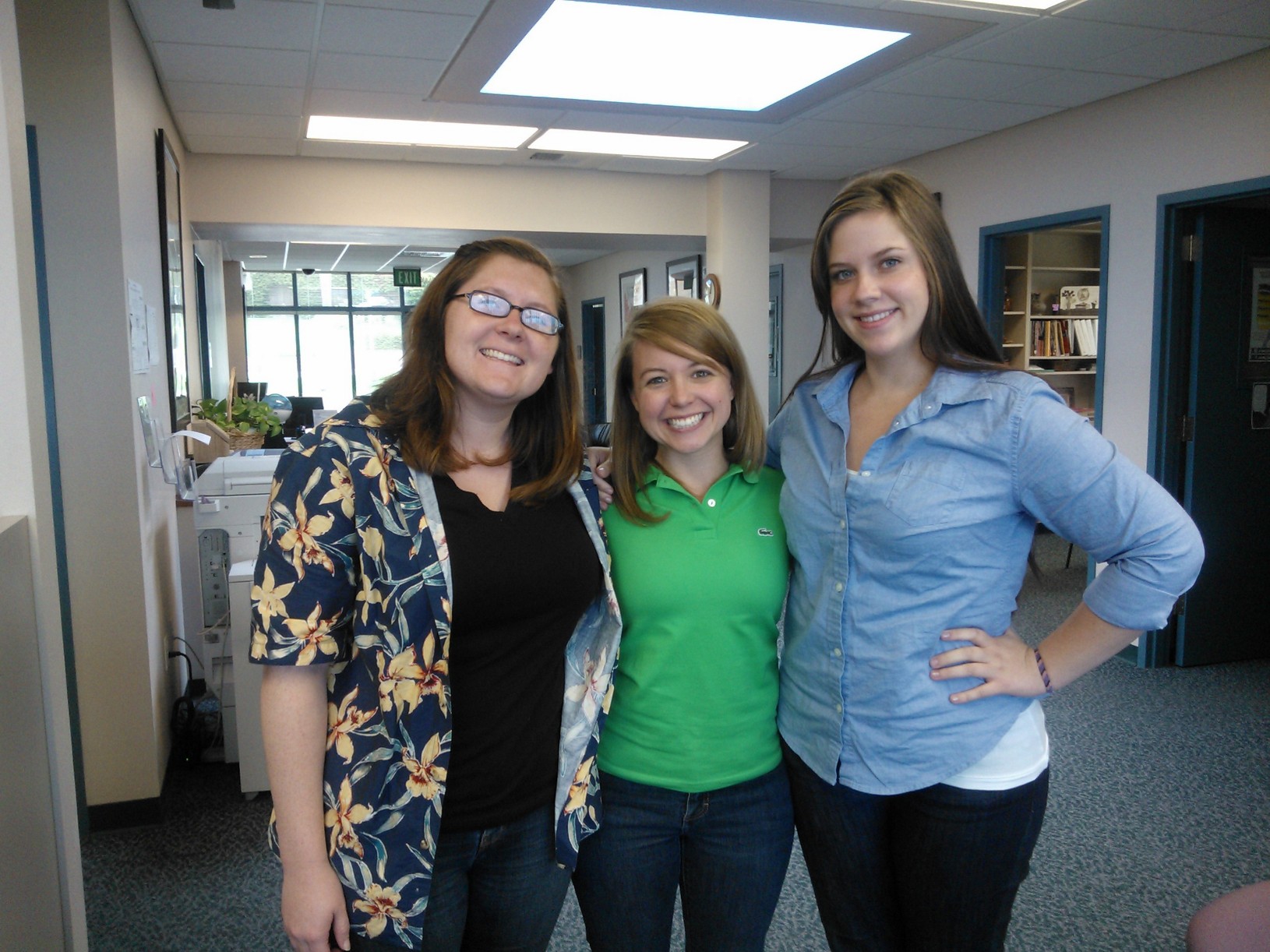
Me (in the yellow shirt) with three of my fabulous students
Remembering

Eleven years ago today I was sitting in my international politics class when the first plane crashed into the World Trade Center. My professor kept lecturing thinking it wasn’t anything to stop for until the second plane hit. With the Center for Disease Control located on our campus in Atlanta, all classes were canceled. Some of the residence halls were evacuated. The skyscraper I worked in was closed for two days. Even hundreds of miles away from New York City, we still felt the resounding boom of those buildings collapsing as our lives changed forever.

On the anniversary of that tragic day, I remember the ones our nation lost, the heroes who put their lives on the line, the outpouring of love that was felt from around the world, and the goodness that prevailed over the evil that was done.

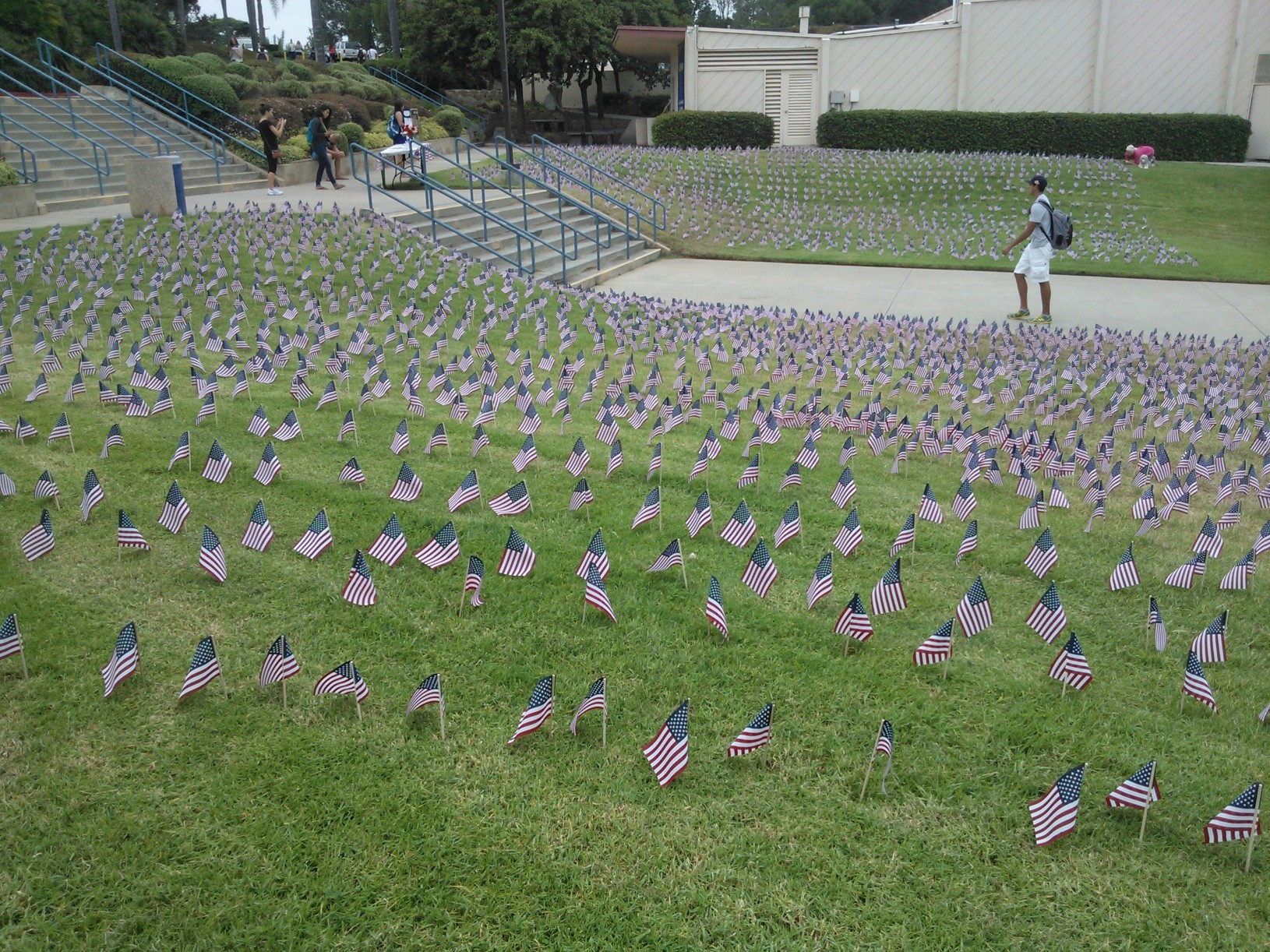
PLNU remembers the victims of that tragic day with flags for each life lost.

Study Abroad Advice to Myself

This week I’m back in San Diego and enjoying the sunshine and seeing my students. Before a few left for their study abroad adventures, I was able to see them off. Hanging out with them and hearing their concerns and excitement, I contemplated lessons I learned abroad and my personal advice resulting from my own challenges and triumphs. As I read my own words of advice, I recognize that I need to heed these personal words of wisdom in my life right now:

  • Remember that trials are normal and they will pass

I’ve talked about the hostility stage before but it is one of those things that I have to remind myself about often. Moving is hard. Language barriers are hard. Making new friends is hard. But it’s all worth it and it does get easier.

  • Say “yes” more than you say “no”

The only real regrets I have from my study abroad experience are when I was too afraid to do something and turned down an opportunity. I personally wish I had said “yes” a lot more and not let fear keep me from riding public transportation alone or

  • Revisit your goals often

I wanted to perfect my Italian while I was studying abroad in Italy but I would regularly get side tracked and have days that I would solely speak in English. I found I had to keep coming back to my goals, remembering what I wanted to get out of my time abroad.

  • Take time for yourself and reflect on your experience

One of the best things I did while studying abroad was do things alone. I went to the market alone, visited museums alone, and would find beautiful spots throughout Rome where I could sit and read or journal. The time alone made me appreciate being abroad so much more. In those moments it wasn’t about the people I was with, but rather the place where I was living.

  • Write it all down because you’ll do so much more than you’ll ever remember

My first time abroad in 2002 I journaled the entire time. Ten years later, I am so grateful for those journals. Without them I probably wouldn’t remember the day that I missed the bus to Cinque Terre or the time my roommate washed her underwear in our bidet.

Three Things You Can’t Live Without

One of my favorite questions to ask people who travel is “What three things can you not live without?” Typical answers are a camera, laptop, or cell phone, but I love when people say something that surprises me.

I’m headed back to San Diego for five days and currently sitting in the airport. Want to know three things that I like to travel with?

  1. A Book – I don’t go anywhere without one. It’s my comfort blanket. Stood up for a date? Read a book. No electronics allowed for the first 15 minutes of a flight? Read a book.
  2. Scissors – I can’t tell you how many times these little guys come in handy and I pretty much take them with me everywhere. I usually carry ribbon too just in case I need to wrap a quick gift. Always prepared!
  3. The Letter Z – Hubby and I play Scrabble on date nights usually once a month and were pretty competitive. We lost the Z a few months ago and my husband and I accused each other of hiding it. It was actually under the table but ever since then I’ve had it in my wallet. Every time I open my change purse I see it and think of him.

What three things can you not live without?


Hometown Tourist: Oklahoma Home Decor

After looking at over 30 houses in OKC and roaming through various furniture and decor stores, I have discovered that my new hometown has some very specific style ideas. I’ve gathered all my pictures and just had to share.

Sport Team Themed Rooms

Okies love their sports teams! There was actually one more of a large OU football helmet painted in a kid’s room but I forgot to take the picture. Darn.

Livestock Decor

With the stockyards here in OKC, horses and cattle are a big deal…especially in home decor.

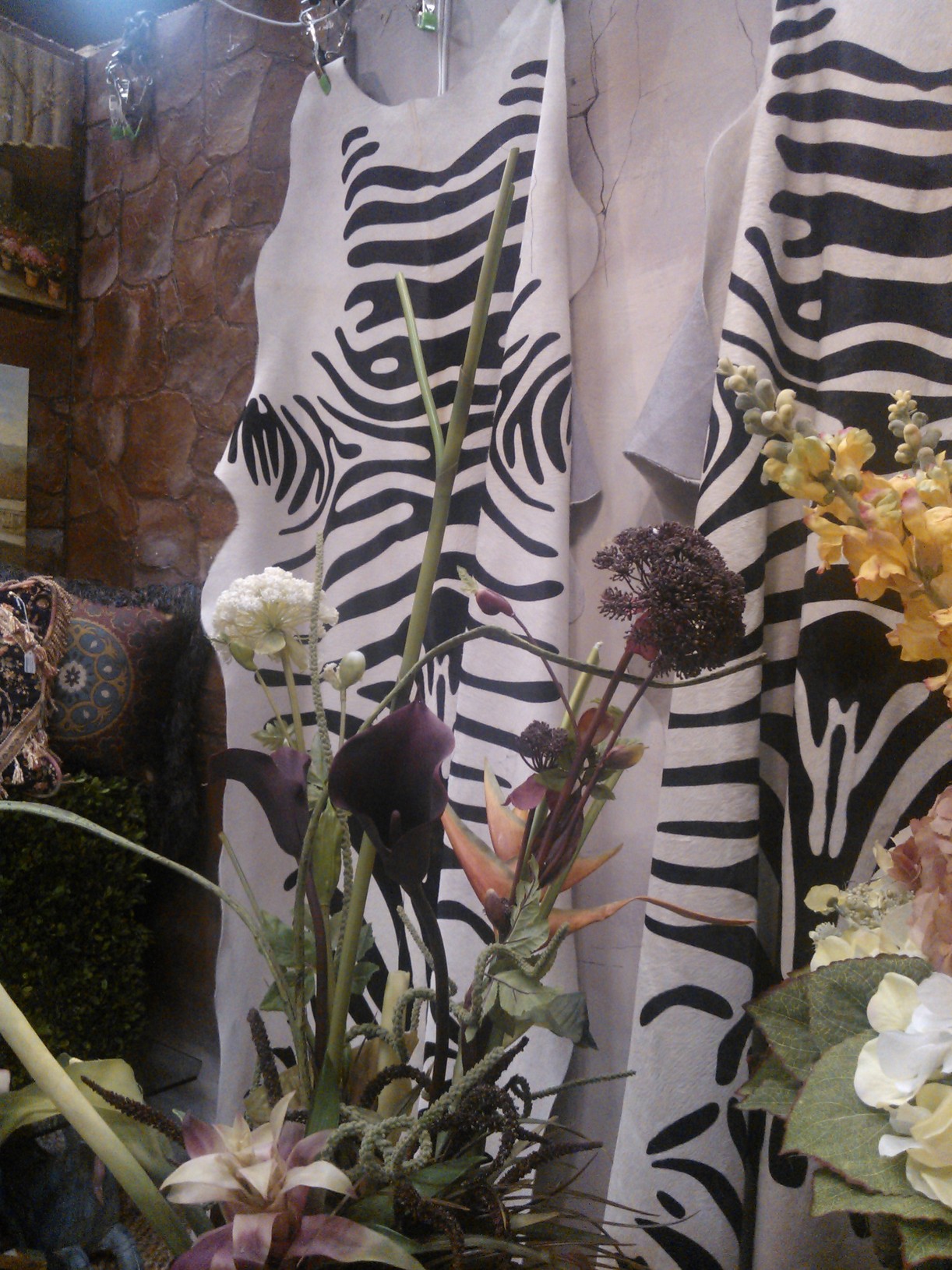
Animal Print Everything

Animal print is definitely the most popular trend in home decor that I have seen here in OKC. It is everywhere!

We actually had an offer on this house. It didn’t work out but if it had, the leopard print carpet would have to go!

European Reading List

For some reason I’ve been putting off making my European reading list. But last night I finally got my Global Reads by Region page up and running and I decided I need to get going with my European books as well.

In the past, I have read a number of books written by British authors. Jane Austen is my all time favorite. I read the Night Circus this year by Erin Morgenstern (I definitely recommend it if you are a reader that likes to imagine your books). Of course I’ve read all the Harry Potter novels (who hasn’t), the Lord of the Ring trilogy by Tolkein, and the Chronicles of Narnia by C.S. Lewis, as well as a number of historical fictions on the British monarchies by Philippa Gregory. With all that said, I’ve decided to avoid British writers. Perhaps I’ll give them a section of their own in the future. Instead I’m focusing on books I’ve heard set in Europe but that I’ve never read. Here’s what I’ve got so far:

  • In the Merde for Love by Stephen Clarke (2005), discovering the culture of the French is a specialty of Stephen Clarke. After reading a great blog post about A Year in the Merde, I scoped out the local library for a copy but instead found the second book in his series. Focused on love in FRANCE, this one is bound to have me laughing.
  • The Leopard by Giuseppe Tomasi di Lampedusa (1958), set in the 1860s ITALYThe Leopard tells the spellbinding story of a decadent, dying Sicilian aristocracy threatened by the approaching forces of democracy and revolution. I actually read this book in college in Italian but unfortunately it didn’t stick well. I thought I’d give it a try in English.
  • Pippi Longstocking by Astrid Lindgren (1945), in a little town in SWEDEN the outrageous red-headed Pippi Longstocking brings adventure to her neighbors. When I was just 4 or 5 my parents took me to the play of Pippi Longstocking but I haven’t read or really heard of her since. This will be a lighthearted and easy read.
  • Anna Karenina by Leo Tolstoy (1873), a classic I’ve not read yet, Anna Karenina is one of the great novels of RUSSIA. The sensual, rebellious Anna renounces a respectable marriage for an affair that offers passion.
  • Zorba the Greek by Nikos Kazantzakis (1946), the tale of a young intellectual in GREECE who ventures to escape his bookish life with the aid of his boisterous friend, Alexis Zorba

Help me add to my list! Have you read any great books by European authors?

Abroad Blog of the Week: Take Me Down to the Panama City

I’ll go ahead and say it up front that I may be a bit partial to this Abroad Blog of the Week. Lindsay and Megan of Take Me Down to the Panama City were two my students in San Diego who are now headed to Panama for a semester abroad. With that being said, I have the unique ability to claim them worthy of your reader before their blog has really even gotten started. Their approach to studying abroad has been incredibly proactive. They took weeks to research programs, they went to every prep event possible, and they were regular attenders at all of my Friday lunches. The two are blogging for their university as a pair, something I haven’t seen much of in study abroad blogs. With limited access to technology in their host city, they will be posting about once a week and the fun all begins this coming week as they jet set from LAX. I was glad to catch up with two of my favorite study abroad bloggers before they hit the road for Panama.

Lindsay, me, and Megan

What will you be studying while you are in Panama?

Megan: Both Lindsay and I will be studying Tropical Island Biodiversity and Conservation Studies at the School for Field Studies. What a mouthful!

How did you two decide to study abroad together?

Lindsay:  We both changed our majors to Environmental Science in Fall 2011. We wanted to study abroad together because we knew it would be an easier transition having someone you are friends with in another country and situation with you. We became better friends and roommates through deciding to study abroad together.
Megan: It kind of just fell into place! We are both Environmental Science majors, so we were looking for the same type of program. Lindsay and I had already picked different programs when we heard that the School for Field Studies was launching a pilot program in Panama! The doors for our other programs began to close as the door to Panama began to open wider and wider. In the end, it turned out to be a program that encompassed what we both were looking for and the pieces fell into place! We are excited to go together as we have been roommates and friends at PLNU and look forward to have a little piece of familiarity and home with us as we embark on a new journey.

What will your living conditions be like?

Lindsay: We will be living on an island in the Bocas del Toro Archipelago and we are staying at the Smithsonian Tropical Research Institute in Bocas del Toro. We will be living in a dorm type building and have access to classrooms and a library on the property. However we will be living ruggedly as we are a 30 min walk from Bocas Town and have limited access to WIFI. Our research institute is in the middle of the rain forest but is fully equipped with necessary living arrangements.

What are three things you just can’t leave home without?

Megan: As I begin to pack I have realized that there are many things that I feel I can’t leave home without! One would be a bracelet that my best friend, who is also studying abroad, has the twin of. It has an elephant charm for good luck and safety. The second would definitely be my pillows! I am bringing my own pillow to sleep on, even though the station provides one for us, and my travel neck pillow. My little piece of home and comfort in an unfamiliar place. The third, I am a little ashamed to admit, would probably be my nail polish. I have sort of an addiction and have about 40 nail polish bottles in total. Obviously I won’t bring all of these, but it is probably safe to say that even in Panama, my nails will be painted to perfection!
Lindsay: My new Canon Rebel camera, my iPod, and this old black sweatshirt of my dad’s that I wear when I’m homesick or sad.

How have each of you prepared for living in Panama for the next four months?

Lindsay: We have been spending the last six months frantically buying new gear for various activities, getting the appropriate vaccinations and meds, and researching the politics and customs of Panama. I have attended many panels and discussion sessions in the study abroad office talking with past study abroad students about their experiences.
Megan: If we are being honest, I have not prepared near enough! I moved about 1,300 miles away from home to go to college, so I know a little what it is like to pack up and move away from your friends and family. Having said this, I have no idea what it’s like to pack up and move away to another country! I have been researching what it will be like and reading about other people’s adventures in an attempt to get a feel for what mine will be like. The most important thing I think I have done is to move into this experience with an open mind. I have tried to prepare for the unknown and get myself ready to experience things I never could have dreamed of!

What advice would you give other students who are considering studying abroad in a non-traditional location?

Megan: Do it. Even though I have not gone yet, I could not be more excited! You will always have an excuse to go to a traditional location later in life. People travel to Paris all the time for vacation or what have you, but how many people would go to San Jose, Costa Rica for vacation? Not only this, but many traditional locations have cultures that are more similar to ours than non-traditional locations. Great things can happen when you get out of your comfort zone and try something new!
Lindsay: I would encourage them to not be afraid of cultural and language differences. I would want them to research each country with vigor. I would hope that they would feel comfortable talking with other students about their experiences in non-traditional location. And I would stress that they look for God to open and close doors with each study abroad opportunity they encounter.

Disconnected

Although it was only 10 years ago, studying abroad has changed a great deal since I went to Italy in 2002. iPads and Facebook didn’t exist. We didn’t travel with cell phones or laptops. Generally, we went to the pay phone to call our parents once a week and to the internet cafe when we could fit it in. We even wrote our papers by hand due to the lack of computer access. To be 100% honest, I loved the lack of technology. I loved being disconnected with few expectations to communicate outside of those who were with me abroad. I was able to focus on exploring Italy and building relationships with the other students. Being abroad was relaxing and re-energizing without the constant ring of the phone and the tiny red flags in our school email indicating unopened messages.

This past weekend I took the same mentality from studying abroad and disconnected. Hubby and I flew to Minneapolis on Friday afternoon to join family and friends for a weekend at the lake in central Minnesota. When we arrived Friday evening, I quickly realized my cell phone received limited service and the internet was patchy. My first inclination was to be frustrated. How was I going to blog? What if our realtor called? But then I looked around me. I was surrounded by a beautiful landscape with family and friends I’ve known since I was a small child. Why would I want to spend my time on a computer when there were so many other things to enjoy? So dear friends, I disconnected this weekend to enjoy all of this instead:

Lessons Learned from Tutoring

Yesterday was my first day tutoring through Spero Project. Each day varies so I didn’t know exactly what to expect. In the end we had over 25 kids from at least 6 different countries and I definitely learned a lot on the job! Here are my lessons learned so far:

1. Not being able to speak the language is really tough when you just want the grown-up to help you make Power Ranger cuffs.

2. A roll of tape, markers, and a stack of paper can keep kids occupied for a minimum of three hours.

3. Explaining how to do mathematical estimation is not easy, but when you see the spark in the child’s eye because she gets it, it is definitely worth all the effort.

4. Every kid is obsessed with using the computers.

5. To little ones, attention and love and much more important than language barriers and cultural differences.

6. It’s hard to work in an apartment complex at dinner time with all the delicious smells from around the world and not get hungry.

7. All of the hand games I played as a kid are still popular.

8. And finally, I’m pretty lucky to be able to hang out with such a great group of kids through an incredible organization.

Volunteer Prep: Burmese and Iraqi Etiquette

When we moved to OKC, I knew I had to get involved. I’m too social of a person to sit at home all day. Don’t get me wrong, I love reading a good book and writing this blog, but a whole day without talking to someone is a long day for me. Taking the advice of my friend who did a guest post for me on volunteering with the refugee community, I started researching different organizations in Oklahoma City that assist refugees. And that’s when I found Spero Project. The Spero Project is a local non-profit organization that partners with local churches to serve under-resources communities. Their programming extends to single mothers, children in the foster care system, and families who are refugees in OKC.

I will be serving in their Learning Center where children from the refugee community can come and get help with homework, English, and just play. Adults can also come work on English and study for the TOEFL, their GED, or the citizenship exam. I had my first training on Tuesday and will have my first hours in the Learning Center this evening. Most of the children that I’ll be working with come from either Iraq or Myanmar. While I feel ready to help with fractions, I realized that I am not very familiar with the Iraqi or Burmese cultures. I know I will learn a lot while I’m with the kids, but I thought it might be good to know some basic etiquette to get me started.

Burmese Basic Etiquette:

  • As a female, a smile or nod is the most appropriate ways to greet men.
  • Never touch a person’s hair, head or cheek, even if you consider it as a friendly gesture.
  • The upper part is considered sacred while lower part is considered inferior to the upper part, even considered dirty. Never mix the things you use for your upper part with that of the lower part.
  • Do not use your feet to point at anything or anyone.
  • Don’t cough, sneeze or blow your nose in the dining table.
  • Present gifts (even a business card) with both hands.

Iraqi Basic Etiquette:

  • The most common greeting is the handshake coupled with eye contact and a smile.
  • Use your right hand to make contact with others and to eat.
  • Do not point with a finger but rather with the entire hand.
  • Always keep your word. Do not make a promise or guarantee unless you can keep it. If you want to show a commitment to something but do not want to make caste iron assurances then employ terms such as “I will do my best,” or “We will see.”
  • Do not make the thumbs up or “ok” sign. They are considered obscene.
  • Present gifts (even a business card) with both hands.